THE PLAYBOOK · BLCQC
A practical guide to Visual Memory
Take a moment with Visual Memory before moving to another game. Select every square that was shown. Selecting an unshown square ends the session. Choose a clear next step rather than rushing through the instructions. Compare the starting position with the example in the Guide. Choose a clear next step rather than rushing through the instructions.
A focus for your next round
Take enough time to read a new position. If a game has a timer, learn its controls first rather than searching for them during the round. Use the example to check your reasoning.
What you need to achieve
Select every square that was shown. Selecting an unshown square ends the session. Keep that objective in view throughout the round. The example below illustrates a decision.
Making your moves
- Start a round and watch the highlighted cells.
- Wait until the board hides the pattern.
- Select the positions you remember; order does not matter.
- Complete the pattern to advance.
How to interact with the game
Use the on-screen controls with a mouse or touch. A careful first action helps you become familiar with the layout. Return to the rules if the result is unexpected.
Put the rules into context
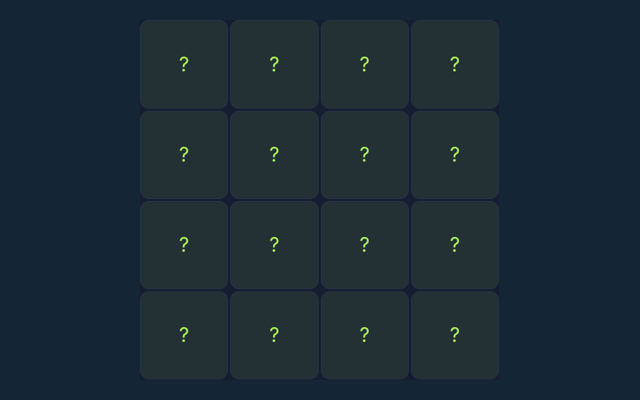
If the four corner squares were shown, select those four corners in any order. Use the example as a guide rather than a substitute for reading your board. Read the matching step again.
An important reminder
Unlike Sequence Memory, this game does not require the original order. Compare the situation with the worked example. Watch the feedback after an action. A message can explain whether the input was accepted or whether a rule needs attention.
Read these answers for extra help
While reading the Guide, what is the goal of Visual Memory?
For clarity: Select every square that was shown. Selecting an unshown square ends the session.
For my first round, how do I control Visual Memory?
Keep this in mind: Use the on-screen controls with a mouse or touch.
While learning, what example helps explain Visual Memory?
For clarity: If the four corner squares were shown, select those four corners in any order.
When I return, what should I watch out for in Visual Memory?
Here is the relevant explanation: Unlike Sequence Memory, this game does not require the original order.
What format does Visual Memory offer?
The key detail is this: Play using the solo mode shown on this page. Read the controls before starting a new round.
While learning, which play mode does Visual Memory use?
For clarity: The mode on this page is Solo. Same-device play uses one screen; this game library does not provide internet matchmaking.